
Why Renewable Energy is Critical for the Steel Sector
Steel Production – An Energy Intensive Process
Steelmaking methods, such as blast furnace (BF) or electric arc furnace (EAF) processes, require large amounts of energy, making it one of the most energy-intensive industries. The energy that they use is often derived from non-renewable sources such as coal and natural gas. Not only is this reliance on fossil fuels costly, but it also makes steel production one of the largest contributors to global greenhouse gas emissions. As climate change concerns continue to intensify, the requirements for more sustainable and energy efficient methods in steel production has become increasingly important.
The Shift to Sustainable Energy Sources
The steel industry is following the global shift towards green energy solutions. There are several factors driving these shifts, including climate change policies, consumers growing awareness and demands for sustainable products. Steel mills themselves recognise that shifting to a less volatile alternative energy source will help then bring a certain level of stability and lower long term operational costs. Governments worldwide are putting in place stricter policies to control carbon emissions, while investors are increasingly emphasizing on sustainability. Steel mills have no other option but to innovate, and adopting renewable energy is perceived as the key to reduce the industry’s environmental impact and ensure long-term energy security.
The Economics of Renewable Energy for Steelmakers
Depending on the scale of adoption of renewable energy, the upfront financial investment for steel producers can be a substantial amount. However, they are realising that the long-term economical benefits will outweigh the upfront costs. Utilizing renewable energy like solar and wind brings about energy price stability which is unattainable when using fossil fuels. With investment in renewable energy infrastructure, steel mills can expect to reduce operations cost over time. Furthermore, most governments have offered subsidies and incentives to companies that adopt renewable energy, to encourage shift, allowing transition for these companies to become more financially feasible.
Key Renewable Energy Sources in Steel Production
Solar Energy
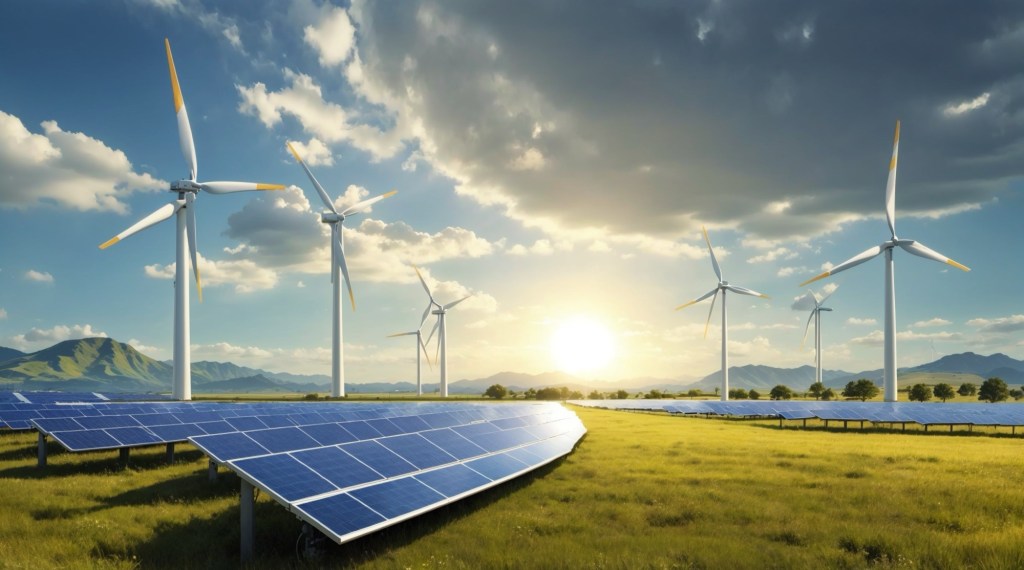
Among the options for renewable energy replacements for fossil fuels, solar energy is increasingly popular. Steel producers such as ArcelorMittal invest heavily in installation of solar energy infrastructure to generate green energy on site and power their operations. Solar energy’s scalability makes is a popular choice for large and small steel producers as it provides flexibility in meeting energy demands while lowering emissions. In terms of upfront cost, solar energy infrastructure can be considered as one of the more cost effective investments compared to other renewable resource.
Wind Energy
Another renewable energy source that has gained traction is wind power. Steel manufacturers are investing in wind farms to replace coal and natural gas to generate electricity and power their plants. For instance, steel manufacturers like Nucor Corporation and ArcelorMittal have entered into Power Purchase Agreements (PPAs) or partnerships with wind farm operators to source renewable energy. The abundance of wind energy makes it a promising solution for powering the steel industry’s energy needs in a sustainable manner.
Hydrogen Power
Although not as well developed and straightforward as solar and wind energy, the use of hydrogen as a renewable energy source holds the greatest potential in transforming the steel manufacturing process and its impact on the environment. Hydrogen can be used as a reducing agent in the production of steel through Direct Reduction of Iron (DRI) and can be used to power furnaces and other energy needs in steel making. The HYBRIT project in Sweden is an example of hydrogen-based steel production with the target of producing fossil-free steel. As hydrogen technology develops, it is bound to revolutionise the way steel is produced.
Examples of Steel Companies Adopting Renewable Energy
ArcelorMittal and its Investment in Solar Energy
ArcelorMittal in its Climate Action Report in 2021, committed to reduce its carbon emissions as a group by 25% by 2030, and by 35% for its Europe operations by 2030. One of its strategies is to invest in renewable energy. The company has installed solar energy infrastructure across its Europe and North America operations to reduce its dependency on traditional energy sources. On top of helping to achieve its company’s sustainability goals, it helps them to secure long term energy pricing and competitiveness in the evolving eco-friendly market.
SSAB and the HYBRIT Project
SSAB’s HYBRIT project is widely considered the frontrunner in the race to achieve large scale green hydrogen-based steel production. The project aims to replace coal with green hydrogen in the reduction process, as a result producing water vapour instead of carbon dioxide as by-product. With a pilot hydrogen-based plant already in place in northern Sweden, it is targeting to deliver fossil-free steel to the market by 2026. This will significantly reduce the carbon footprint of steel production. Furthermore, the aggressive drive of the HYBRIT project has set a precedent for other steel producers around the world to follow.
ArcelorMittal’s Wind Energy Projects
Among steel producers, ArcelorMittal is leading in the adoption of wind energy as part of the decarbonisation strategy. They have signed longer term PPAs with wind energy companies to source renewable energy for its steel production plants. They are also exploring building their own wind power infrastructure on site to power their steel plants. This renewable energy source also plays a critical role in ArcelorMittal’s XCarb initiative that produces products that are using 100% renewable energy.
The Benefits of Renewable Energy in Steel Production
Reducing Carbon Emissions and Achieving Sustainability Goals
A sizeable portion of global CO2 emissions comes from steel production. Some estimates this figure to be as high as 11% of all CO2 emissions. Therefore, by turning to renewable energy in steel production, the most obvious benefit would be the reduction in carbon emissions. To meet the internal environmental standards like The Paris Agreement and EU Emissions Trading System, Steel producers will have to adopt renewable energy like solar, wind and hydrogen to run their operations.
Long-Term Cost Savings with Renewables
The initial investment in renewable energy infrastructure can be remarkably high. However, compared to fossil fuels, renewable energy is much less sensitive to economic shocks and changes in market conditions, and does not face geopolitical risk. Therefore, the price of renewable energy is much more predictable and does not fluctuate like fossil fuels. Furthermore, the cost of renewable technology will continue to decrease as it develops. Steel manufacturers that adopt renewable energy are expected to benefit from stable and lower operational expenses, making them more competitive.
Improved Energy Security
The fact that renewable is barely susceptible to geopolitical risk, makes it a very stable energy source. Energy sources like coat and natural gas are highly volatile and heavily influenced by geopolitical events. By transiting to renewable energy and investing in renewable energy infrastructure, steel producers can achieve greater energy independence and protect themselves from external risks. This will bring about stability in operations. All these are critical factors if they are to meet the growing demand for green steel.
Challenges of Transitioning to Renewable Energy in Steel Production
High Initial Costs of Renewable Energy Infrastructure
The main challenge that steel producers face in their quest to transition to renewable energy is the initial cost of investment on renewable energy infrastructure. Investments like hydrogen production facilities require substantial capital which can overshadow the obvious long-term benefits that it will bring to the steel producers. For smaller mills, this becomes an even more profound challenge. Governmental support in the form of incentives play a key role in steel producers overcoming this challenge.
Technological Limitations in Integrating Renewables
With all the talk about renewable energy adoption, we have overlooked the fact that the current renewable technology has its limitations, preventing widespread adoption of renewable energy. A typical example would be the use of hydrogen in place of coal. Although it is a clean alternative and will significantly reduce carbon footprint, it is still in its early stages of development, and the infrastructure needed to support its use is not readily available to all. Integrating or completely replacing the existing energy sources with renewable sources also require mills to undertake significant modification to the production process. To achieve the theoretical potential of renewable energy use in steelmaking, we would need to continue research and development.
Government Policy and Regulatory Barriers
Governmental policies and regulations play a significant role in the adoption of renewable energy, both as a pull and push factor. For instance, in Sweden, its government provides plenty of support through policies and incentives to encourage use of renewable energy in industrial processes. There are plenty of subsidies for renewable energy projects and they have invested heavily in infrastructure to support the hydrogen economy. India on the other hand has provided incentives, but industries consider it insufficient, making the transition to renewable energy slow. Furthermore, infrastructure limitations such as its lack of energy storage solutions makes it very costly for industries to adopt renewable energy. Supportive policies, tax incentives and infrastructure investments must be in place to create favourable conditions for industries to make these energy transitions.
The Future of Steel Production with Renewable Energy
The Growing Demand for “Green Steel”
Consumers and businesses are becoming increasingly conscious about their impact on their environment. This will create a pressure on industries to that have heavy carbon footprint such as construction, automotive and manufacturing to prioritise sustainability. Therefore, the demand for green steel is expected to grow. Steel producers who can offer low emission, renewable energy produced steel products will be well positioned to capitalise on this growing market. There is no denying that green steel will become a significant market segment in the near future.
Predictions for the Widespread Use of Hydrogen in Steelmaking
Based on studies conducted, the reduction on the carbon footprint while adopting different types of renewable energy sources varies. Among the renewable energy options, hydrogen adoption is the one that will significantly change the outlook of steel production. With the advancement in technology for hydrogen production and storage, hydrogen-based steel production will become to more mainstream. Without hydrogen technology, we can only achieve up to 20% reduction in carbon emission in the DRI process. Even with CCS in place, the reduction will be capped at approximately 50-60%. With hydrogen technology, this figure will go up to 80% without CCS and 100% with CCS. EAF process can achieve 100% reduction in carbon emission with or without hydrogen technology if electricity is sourced entirely from renewable energy. Therefore, it is imperative that hydrogen technology become more cost effective and scalable.
The Role of Innovation in Creating a Sustainable Steel Industry
Research and development into areas like hydrogen-based steelmaking and CCS will play a critical role in ensuring the long terms sustainability of the steel industry. Only with development in these technologies will the cost of renewable energy decrease, making it more accessible to steel producers globally. It is especially important that government bodies, private companies and research institutions work very closely to speed up these technological developments and drive the adoption of renewable energy solutions in the steel industry.
Conclusion: Renewables Paving the Way for a Sustainable Steel Industry
The steel industry is taking steps to reduce its carbon emissions and improve energy efficiency by adopting sustainable energy sources like solar, wind and hydrogen. There are many challenges in this transition primarily high upfront cost and limitations in technology, but the long-term benefits such as reduced operational cost and improved competitiveness are for all to see. Therefore, renewable energy will pay a key role in reshaping the future of the industry. Steel producer that adopts renewable energy now are expected to be better position to survive in the future, mainly because the need for sustainability will become a market advantage. Continued innovation and support from government and industries will ensure that the steel industry is still the backbone of the economy while contributing to a greener and more sustainable world.
 The Price Influence
Leave a comment